

Credit and Surety Brokers Limited

Surety Bonds

Specialist Bond Solutions Tailored to Your Contracts

Surety bonds are essential financial guarantees across construction, engineering, development, and international trade — protecting your clients by ensuring contractual obligations are met. Credit and Surety Brokers helps you navigate complex underwriting to secure competitive bond facilities, from major infrastructure projects to statutory requirements.

What is a surety bond?

A three-party guarantee: the Principal (you, the contractor) commits to fulfilling a contract for the Obligee (the client or authority), backed by the Surety. Unlike insurance, which protects the policyholder against unforeseen loss, a surety bond protects the other party — if a claim is paid out, the Principal must reimburse the Surety in full.

Our Bond Types in Detail

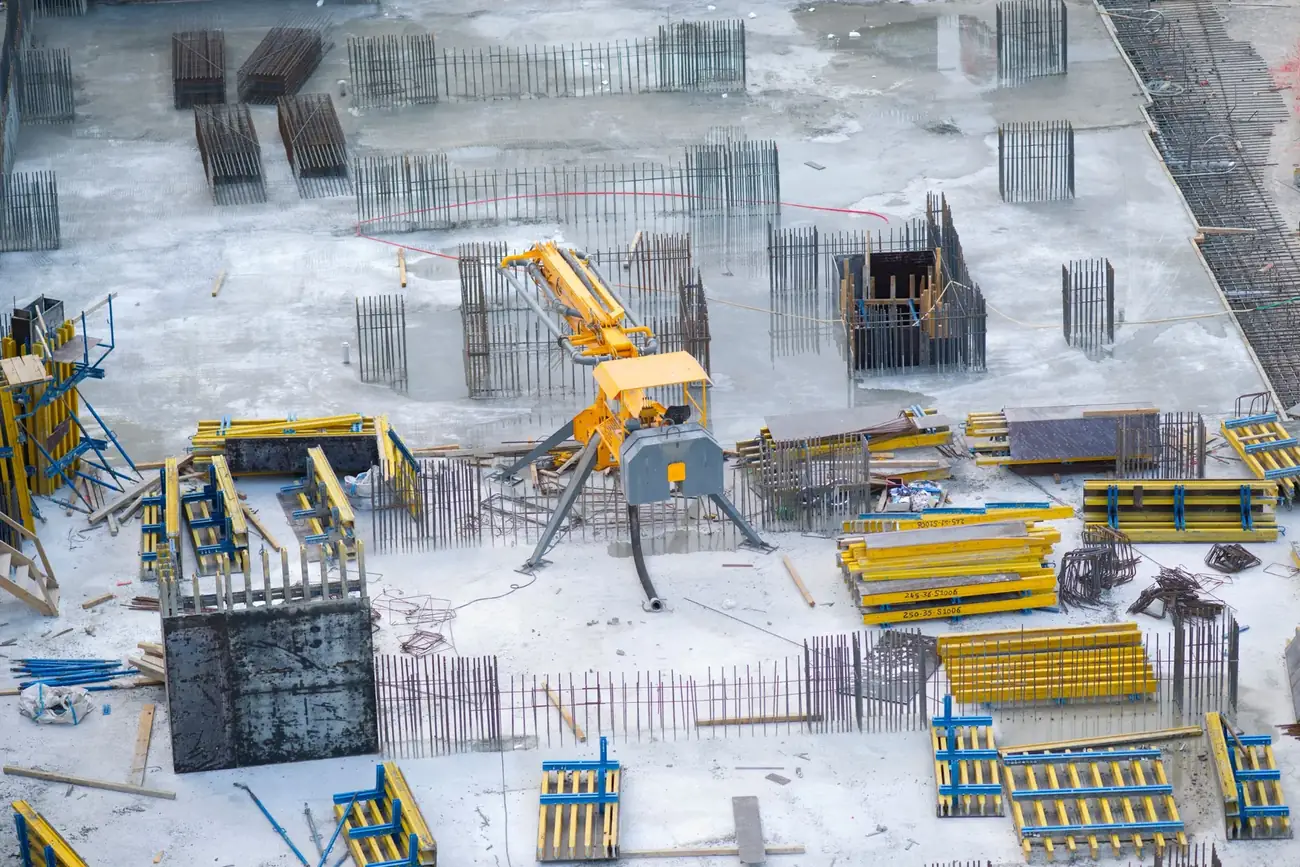
Aerial view of a building site with steel reinforcement bars, formwork and a concrete pump

Performance Bonds

A performance bond guarantees that a contractor will complete a project to the specification, quality and timescale set out in the contract. If the contractor fails to perform, the bond provides the client with financial compensation — giving project owners the confidence to award contracts to businesses they might not otherwise consider without that guarantee.


Timber-framed houses under construction with scaffolding against a blue sky

Construction Bonds

Construction and contract bonds protect the client if a contractor or subcontractor fails to meet its obligations, whether that's non-completion, insolvency, or a breach of contract terms. They're often required before a main contractor will engage a subcontractor on larger projects, so having bond capacity in place can be the difference between winning work and losing it to a competitor.

Two-lane motorway seen from above with a few cars and green verges

Highway Bonds & Local Authority Bonds

Highway bonds and Section 38/278 agreements guarantee that new roads, footways and highway infrastructure built as part of a development meet the standards required before being adopted by the local authority. Local authority bonds more broadly give councils and public bodies the assurance they need before awarding contracts, particularly where a developer is new to public sector tendering.

An apartment building under construction with scaffolding, a tower crane and a mini excavator behind site fencing.

Advance Payment Bonds

Advance payment bonds allow contractors to receive upfront payment for materials, mobilisation costs or early-stage works, while giving the client security that the money will be returned if the contract isn't fulfilled. They're particularly useful for cash-flow-intensive projects where upfront costs would otherwise fall entirely on the contractor.

A metal shield containing a construction site, a tower crane, plans and a yellow hard hat.

Retention Bonds

Retention bonds let you release cash retentions early, rather than waiting until the end of the defects liability period for funds to be returned. The bond protects the client through that period, so you get access to working capital sooner without leaving the project owner exposed.

A padlock and keys on a wooden box with coins in the background.

Other Bond Types

We also arrange warranty bonds and a range of other specialist bond types to meet less common contractual requirements. If you need a bond that isn't listed here, speak to our team — as a whole-of-market broker, we can usually find a solution even for non-standard requirements.

Who Needs a Surety Bond?

Contractors and developers in construction, engineering, and public sector tendering — bonds give project owners confidence that you've passed rigorous financial underwriting and can deliver.

How the Bond Process Works

Getting a bond in place starts with underwriting — the surety assesses your business's financial strength, track record and the specific contract requirements before agreeing terms. As your broker, we manage this process on your behalf: gathering the financial and project information the surety needs, presenting your business in the best possible light, and negotiating terms and pricing across the market. Once approved, bonds can often be issued quickly, which matters when you're working to a tender deadline.

  1. We gather the information
  2. We present your business
  3. We negotiate terms and pricing
  4. Underwriting and approval
  5. Bond issued

Why Use Credit and Surety Brokers for Your Surety Bonds

As an independent, whole-of-market broker, we're not limited to a single surety's appetite or pricing — we compare terms across the market to find the facility that best fits your business and your contract. Because our team understands both the broking and underwriting sides of the market, we know how to present your business to get the right outcome, and we move quickly when a tender deadline is looming. Once your bond is in place, we manage it throughout the life of the contract, including renewals and any changes as the project progresses.

Frequently Asked Questions

Bond premiums vary depending on the value and type of bond, the duration of the contract, and your business's financial strength — typically calculated as a small percentage of the bond value per year.

Once we have the information a surety needs, bonds can often be arranged within days — though more complex projects or first-time facilities can take longer, which is why it pays to start the conversation early.

Not necessarily — depending on your track record and the surety's appetite, it's sometimes possible to arrange a facility that covers multiple projects or contracts, rather than applying for a new bond each time.

Get in Touch

Working towards a tender deadline or need bond capacity in place for an upcoming contract? Speak to our surety bond specialists for fast, independent advice.

Want to protect your cash flow too? See our trade credit insurance.